Is it 'freezing' if you're chilly?...What happens when your body temperature drops by one degree

As we approach the start of fall, days remain hot, but mornings feel not just cool but downright chilly. This is due to the widening temperature gap between day and night. This weekend, the difference between the highest and lowest temperatures is expected to reach 9 degrees. During this transitional season with such large daily temperature fluctuations, if you neglect to manage your body temperature—such as by drinking cold beverages like iced coffee or not putting on a jacket when it gets chilly—you are highly likely to catch a cold. This is because, medically speaking, body temperature is closely linked to immunity. In fact, there is even a treatment method called "body temperature immunotherapy." What is the connection between body temperature and immunity? With the help of Dr. Cho Seong-hoon, Director of the Eum Healthcare Center at Seoul Yes Hospital and a leading figure in domestic immunology research, we explored what immunity is and how it relates to body temperature.
Immune Cells: Different Tasks Depending on Type
The term “immunity” (면역) combines the characters “myeon” (免), meaning “to avoid,” and “yeok” (疫), meaning “epidemic” or “infectious disease.” Literally, it means living without contracting a disease that is currently prevalent. Medically, it is defined as the body’s ability to protect itself from pathogens such as bacteria and viruses.
There are several types of cells responsible for immunity in the body, known as immune cells, which are broadly divided into △ innate immune cells (natural immune cells) and △ adaptive immune cells. Innate immune cells, as the name suggests, are part of the natural immunity we possess from birth and possess the ability to distinguish between "self" (friendly forces) and "non-self" (enemies). Innate immune cells include NK cells, dendritic cells, macrophages, granulocytes, and monocytes.
These innate immune cells circulate throughout the body, patrolling the front lines of defense. The main members of this patrol are macrophages, which are distributed throughout all tissues, and dendritic cells, which are found in the skin and mucous membranes. When macrophages encounter bacteria, they release cytokines—signaling molecules—to command granulocytes to “mobilize.” The phagocytic activity of granulocytes causes the infected area to become red and triggers inflammation accompanied by fever and pain. This is a reaction that occurs as part of the healing process.
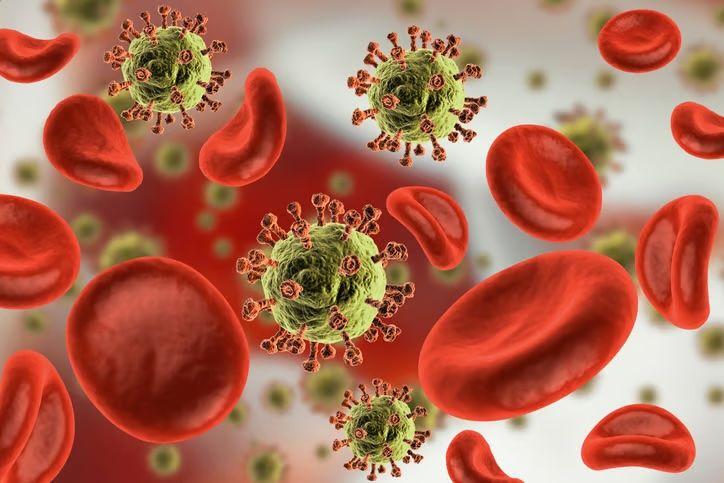
Dendritic cells are named for the way they spread their branches in all directions like a tree when activated. These cells are primarily found in the "mucous membranes" of the vagina, anus, and mouth, where they gather information about antigens and transform into macrophages to perform phagocytosis.
NK cells attack not the bacteria themselves, but rather “cells infected by bacteria.” Furthermore, NK cells are natural chemical factories that produce immunomodulatory substances. The immunomodulatory substances released by these factories activate both innate and adaptive immunity, and also serve as a bridge connecting the two immune responses.
These innate immune cells send requests for cooperation to adaptive immune cells to work together. Adaptive immune cells can remember pathogens that have invaded in the past. This is called "immune memory," and it is thanks to the memory of adaptive immune cells that vaccines can be developed. Adaptive immune cells include T cells and B cells. T cells enter cells infected with bacteria and attack the cells themselves, while B cells produce specific antibodies to fight bacteria outside the cells. Although their response speed is slower than that of innate immune cells, they provide a more sophisticated, tailored response, effectively establishing a second line of defense.
Half-body baths are better than full-body baths, doubling the effect on blood circulation
The key factor that enhances the activity of these immune cells is “optimal body temperature.” An optimal body temperature of 36.5°C is the ideal temperature range that allows for peak immune function while maintaining overall health.
Why is maintaining an optimal body temperature essential for preserving immunity? First, maintaining an optimal body temperature promotes smooth blood circulation, allowing immune cells in the blood to move efficiently throughout the body. Second, an optimal body temperature facilitates smooth metabolism, ensuring the autonomic nervous system functions properly.
Conversely, when body temperature drops, immunity declines. This is because as body temperature decreases, metabolism slows down, causing the movement of immune cells to become sluggish. Additionally, the number of granulocytes within white blood cells increases beyond what is necessary. When these excess granulocytes die off, they produce large amounts of free radicals, which oxidize the blood, making it thicker and more viscous, and consequently slowing down blood circulation. In particular, when body temperature drops, the number of lymphocytes—which are responsible for immunity—decreases, further weakening immune function.
Even a drop of just 0.5 degrees (to 36°C) causes the body to shiver, which is a natural response to raise body temperature. At 35.5°C—a drop of 1 degree—immune function begins to decline, and excretory function also decreases. Allergic reactions occur, and symptoms of autonomic nervous system dysfunction appear. Thirty-five degrees Celsius is the optimal temperature for cancer cell proliferation.
Director Cho warned, “Immunity drops by about 30% for every 1-degree decrease in body temperature,” adding, “However, compared to 50 years ago, the average human body temperature has dropped by 0.5 to 0.7 degrees Celsius from 36.8°C.” When body temperature drops, blood circulation slows down, hindering metabolism. This also impairs the kidneys’ excretory function, leading to blood contamination and a chain reaction of adverse effects on various organs.

The problem is that while our bodies have a thermoregulatory mechanism (the hypothalamus in the brain, which releases internal heat) to withstand heat, there is no mechanism to withstand cold. Hospital Director Cho Seong-hoon explained, “This is why mortality rates are highest between 3 and 5 a.m.—when outdoor temperatures drop and body temperature is at its lowest—and why allergic conditions such as asthma occur most frequently during this time.”
As body temperature drops, the number of lymphocytes—which are responsible for immunity—decreases, leading to a reduction in both the quantity and activity of NK cells. Ultimately, this results in a decline in immune function. Dr. Cho added, “If the immune system malfunctions, the NK cells and dendritic cells—which act as commanders—cannot train or regulate the T cells, which act as the army. This can lead to a situation where immune cells mistake friendly forces for enemies and attack them (autoimmune diseases).”
To prevent a drop in body temperature and maintain an optimal body temperature, it is helpful to avoid cold beverages as much as possible and drink warm water or tea to keep the body warm. While soaking the entire body to raise body temperature is beneficial, a “half-body bath” is recommended to maximize the improvement in blood circulation. This is because keeping the lower body warm and the upper body cool creates a temperature difference between the two, allowing blood to circulate more rapidly.
On hot days, when moving from outdoors to indoors, you should wear a light outer layer to prevent a sudden drop in body temperature rather than being exposed to cold air conditioning all at once. Drinking water frequently helps supply oxygen to the blood and flush out toxins, which improves blood flow and boosts the activity of immune cells. Aerobic exercise is an excellent way to improve blood circulation and raise body temperature.